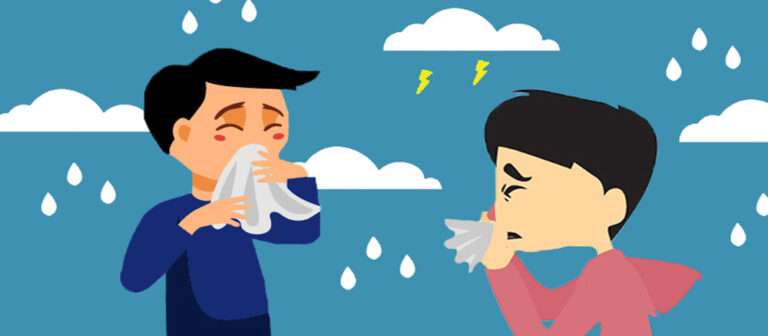
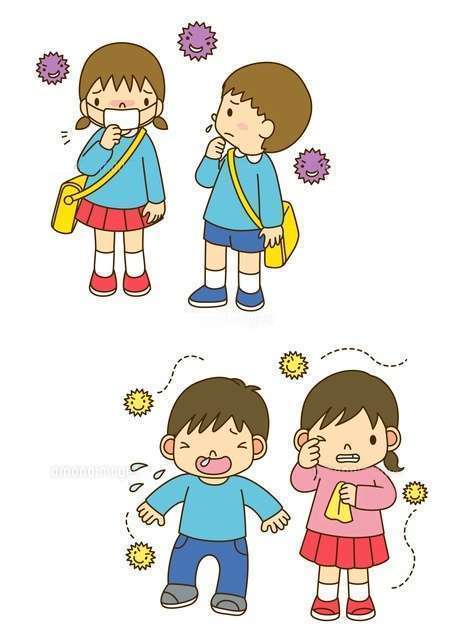
This rainy season, we'll get to know respiratory infections. The rainy season brings frequent weather changes and high humidity, creating ideal conditions for the growth and spread of pathogens. Getting caught in the rain increases the risk of illness and respiratory infections. According to statistics from 2013, pneumonia was the second most common disease and the leading cause of death. Therefore, it's important to be prepared to manage and prevent respiratory infections.
1. Common cold (Acute Rhinopharyngitis)
The common cold (Acute Rhinopharyngitis) is one of the most common infectious diseases. It's caused by various strains of viruses and is prevalent during the rainy and winter seasons, especially during periods of changing weather. People of all ages can be affected. Young children can get several colds each year, while adults get fewer as their immunity improves. On average, children get 6-12 colds per year, and adults 2-4 per year. The illness is usually mild and resolves on its own within a few days. Because it's a viral infection, treatment focuses on managing symptoms until recovery. Contact Most cases are caused by viruses, of which there are over 100 types. The most common are chorizae viruses (including rhinovirus) and others. Transmission occurs through nasal discharge, saliva, and sputum, by inhaling contaminated air from coughing or sneezing, or by touching the nose or eyes with contaminated hands. The infectious period can occur before symptoms appear and for 1-2 days after symptoms develop. Symptoms that warrant a doctor's visit. If you experience yellow-green nasal discharge or phlegm, ear pain, tinnitus, severe headache, high fever, or shortness of breath, you should see a doctor for diagnosis of complications. High fever and severe body aches may indicate the flu, not just a common cold.
Symptoms observed When the virus enters the nasal mucosa, it attaches to and penetrates the epithelial cells, multiplies, and causes cell damage, leading to inflammation of the nasal lining. The lining becomes swollen and red, and mucus is secreted. The incubation period is approximately 1-3 days (average 10-12 hours) before symptoms appear. Symptoms of a common cold include nasal congestion, runny nose (clear mucus), cough, sneezing, sore throat, hoarseness, and possibly a low-grade fever and mild headache. In adults, symptoms are usually mild, with only nasal congestion and runny nose (except in those with underlying respiratory conditions). Symptoms typically last no more than 2-5 days, but a runny nose may persist for 10-14 days. Behavior of people with the disease. 1. Since these infections are caused by viruses, treatment is mostly symptomatic, such as using decongestants and fever reducers until the symptoms resolve on their own. Unnecessary use of antibiotics can lead to antibiotic resistance in bacteria. 2. Get enough rest, drink plenty of water (preferably warm water), keep your body warm, and eat warm food. 3. Avoid sneezing or blowing your nose forcefully, as this can push mucus containing germs into the sinuses, causing inflammation and infection. 4. When coughing or sneezing, cover your mouth and nose with a handkerchief. Complications 1. Some people with a common cold will also have a secondary bacterial infection, resulting in thick, yellow or green nasal discharge and green phlegm. 2. Sinusitis, tonsillitis, and otitis media are caused by secondary bacterial infections. 3. Conjunctivitis 4. Bronchitis or pneumonia. Infection prevention 1. Avoid close contact with people who have a cold. Minimize contact with sick individuals or sharing items with them. If unavoidable, wash your hands after contact. Do not touch or rub your nose or eyes. 2. Get enough rest and exercise regularly. 3. Avoid getting close to sick people who are coughing or sneezing. Avoid crowded places during an outbreak. 4. Influenza vaccination does not protect against the common cold because it is caused by a different type of virus.
We use cookies to improve the performance and provide a better user experience on our website. You can find more details here. Privacy Policy And you can manage your privacy yourself by clicking on... Set up
These types of cookies are essential for the website to function properly, allowing you to use and visit the site normally. You cannot disable these cookies on our website.