During the transition from the rainy season to the cool season, one of the major illnesses in infants and young children that parents often hear about is "RSV (Respiratory Syncytial Virus) infection," which has symptoms similar to the common cold but can cause severe symptoms including pneumonia. RSV is a virus that has been known in the medical field for a long time. In fact, RSV was first discovered in 1955, when it was found in chimpanzees that were suffering from a cold. Soon after, it was discovered that it could be transmitted to humans and was the cause of respiratory infections, especially in young children.
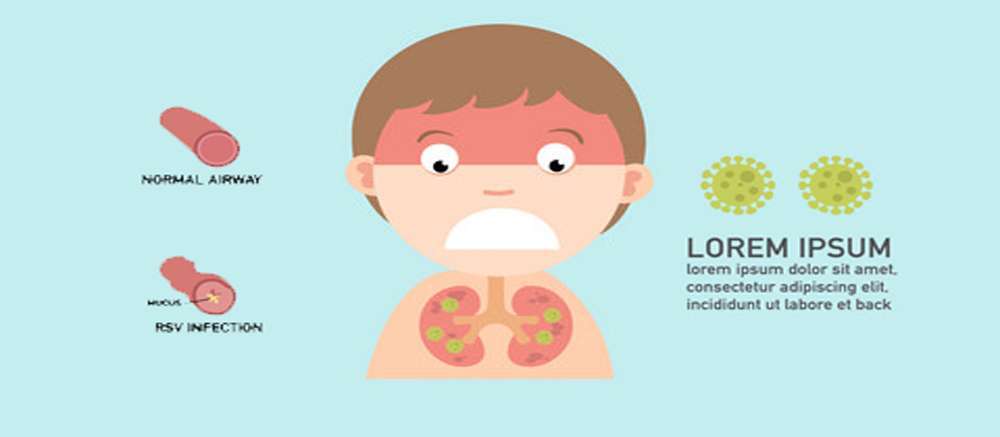
RSV, or Respiratory Syncytial Virus, is a virus that causes respiratory illnesses, particularly in young children. This virus can lead to pneumonia because it often affects the bronchioles and alveoli, resulting in excessive mucus production and bronchial constriction due to swelling of the bronchial lining and other airways. This causes children to quickly experience shortness of breath, fatigue, and difficulty breathing. The virus is transmitted through close contact with infected bodily fluids such as nasal mucus, saliva, and sputum.
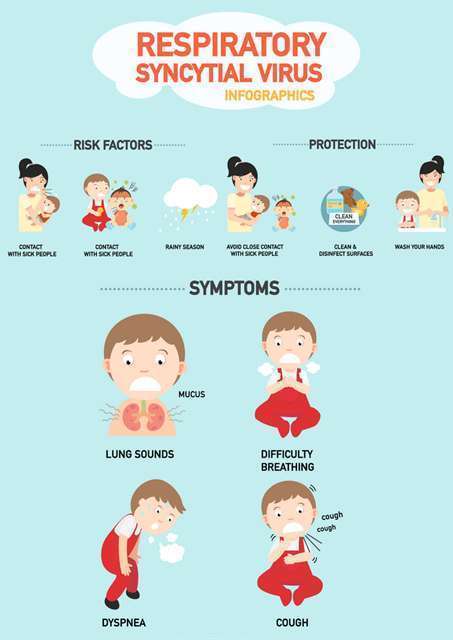
RSV causes respiratory illnesses, with symptoms divided into three groups: 1. Inflammation of the upper respiratory tract, causing cold-like symptoms such as fever, cough, runny nose, and sore throat. 2. Lower respiratory tract infection, including otitis media (middle ear infection) and bronchiolitis, is common in children under 1 year old. In some cases, the symptoms are severe, with high fever and shortness of breath, caused by the 40-90% virus. This also includes pneumonia, which is particularly severe in children under 1 year old. 3. Sudden infant death syndrome (SIDS): Deaths occur without a known cause, but RSV virus is suspected to be a contributing factor.
Symptoms of the common cold. Children with a common cold will have typical cold symptoms: fever, cough, sneezing, runny nose, and can still eat and drink. They may also have laryngitis or bronchitis, and a productive cough. Most cases resolve within 5-7 days. Some symptoms of RSV infection can be similar to those of a common cold, such as fever (usually not high), cough, and sneezing. However, there are symptoms that parents should observe and suspect that their child may have contracted the RSV virus, such as: • Breathless • Rapid and forceful breathing. • Wheezing • Green • Wheezing in the lungs (due to inflammation and swelling of the respiratory tract lining and bronchial constriction) • There is a lot of phlegm. • Coughing Symptoms include shortness of breath, fatigue, and in some cases, severe shortness of breath leading to pneumonia. Symptoms include chest retraction due to labored breathing, difficulty exhaling, or wheezing similar to bronchiolitis. Some children may cough excessively until they vomit, become lethargic, turn blue, and be unable to eat, drink, or consume milk. It is best to seek medical attention immediately if a child has a fever for three days. In very vulnerable young children, such as premature infants or those with pre-existing heart, lung, and asthma conditions, symptoms may deteriorate rapidly, leading to periods of apnea or respiratory failure, requiring admission to the Intensive Care Unit (ICU) and possibly mechanical ventilation. Furthermore, patients with severe symptoms may develop co-infections with other viruses, such as influenza, mycoplasma, or other bacteria. Doctors will consider appropriate treatments to address these infections.
We use cookies to improve the performance and provide a better user experience on our website. You can find more details here. Privacy Policy And you can manage your privacy yourself by clicking on... Set up
These types of cookies are essential for the website to function properly, allowing you to use and visit the site normally. You cannot disable these cookies on our website.